The Arctic has experienced extremes climatic condition over the past millions years. During the 9th and 15th century, the temperature of Arctic was warmer than before and it was called Medieval Warm Period. After the Little Ice Age that was finished in 1860, the Arctic temperature has increased.
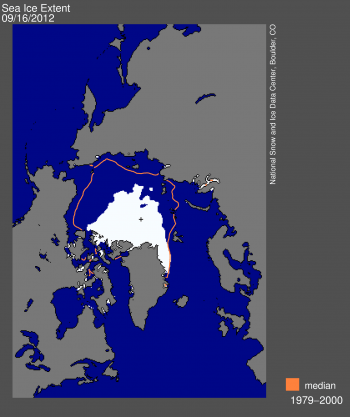
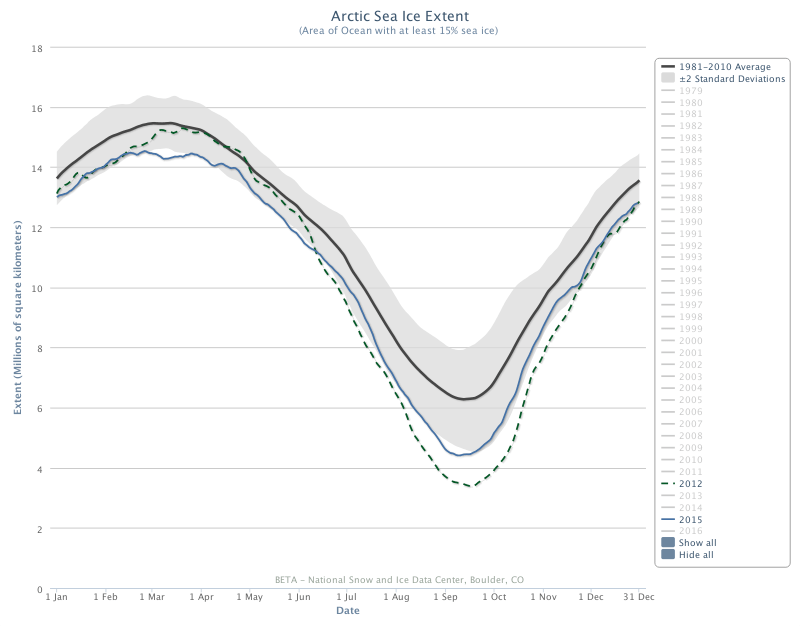
The change of temperature during the past and the 21st century have effected the Arctic sea. The Arctic sea ice area has decreased about 3.2% every decade from 1976. In the areas where it didn’t melt, the sea ice has become thinner than before. Some researches say that the Arctic sea ice might disappear completely in the future.
https://nsidc.org/sites/nsidc.org/files/images//N_20120916_doy_extn_hires.png
The Arctic sea ice keeps the temperature in the polar regions cold and helps moderating the global climate. It reflects 80% of the sunlight and the ocean absorbes 90%. Over the past 30 years, the thickness and the extent of the sea ice have declined. On march 5, 2020, the Arctic sea ice has reached the 11th lowest maximum Arctic sea ice extents from 1979 to now. (15,05 million square kilometres)
https://nsidc.org/sites/nsidc.org/files/images//200901_Figure4.png
177 words

 The global warning and the polar bears

